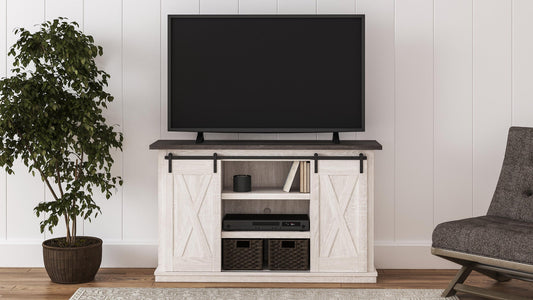
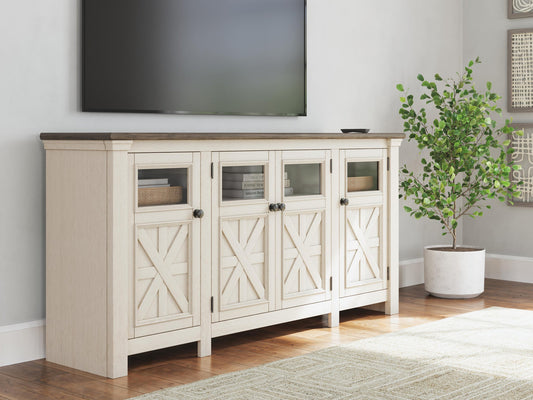
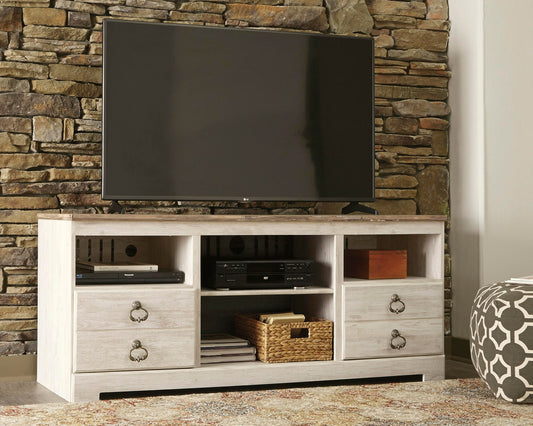
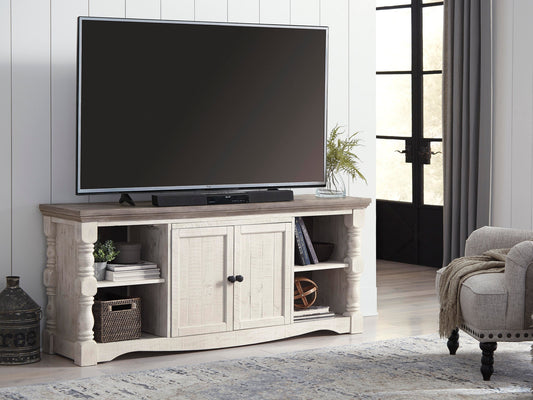
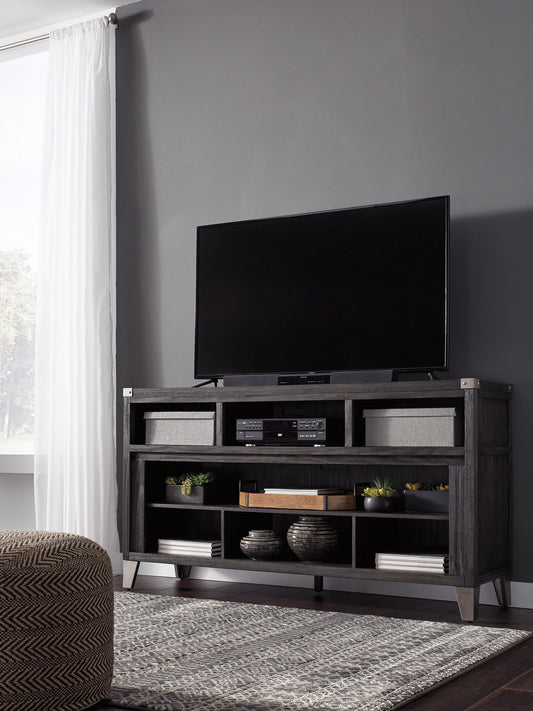
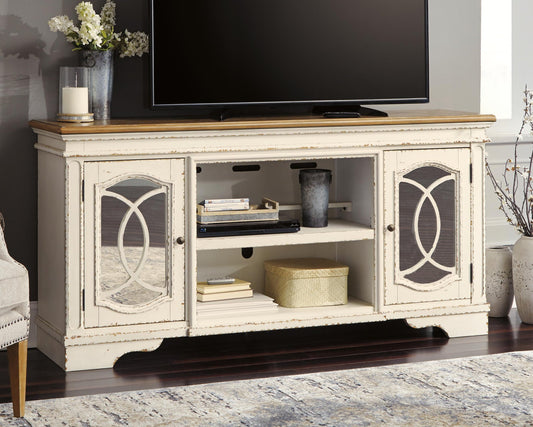
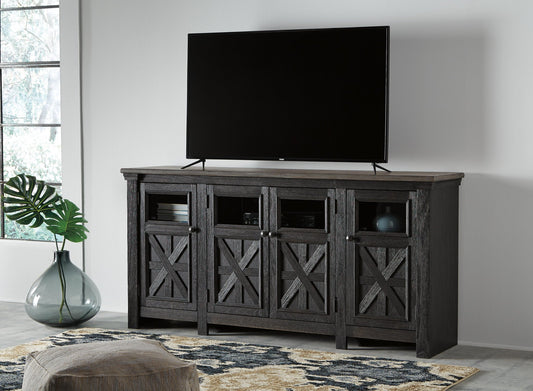
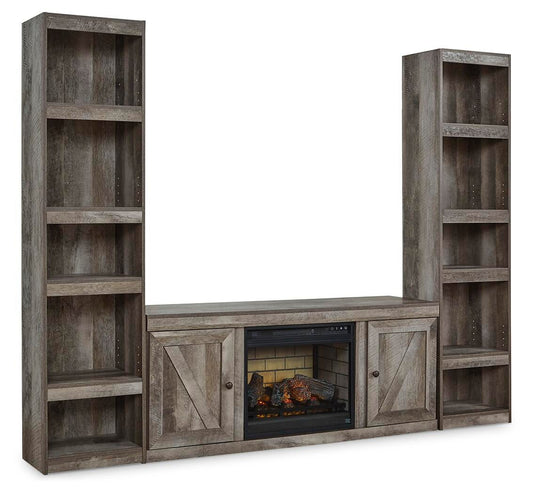
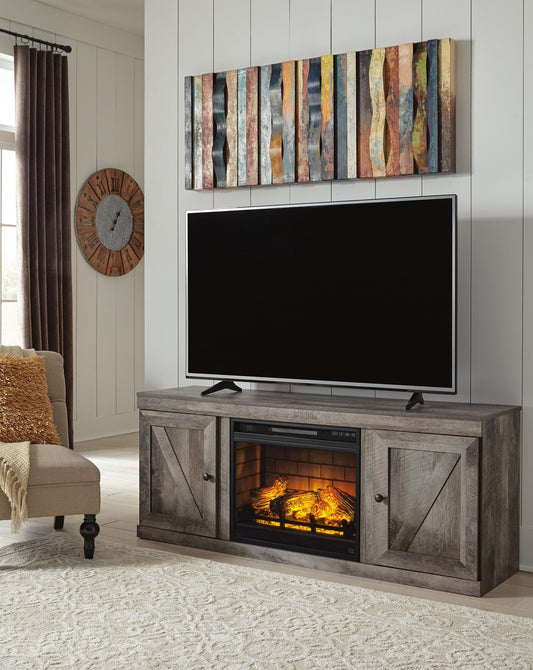
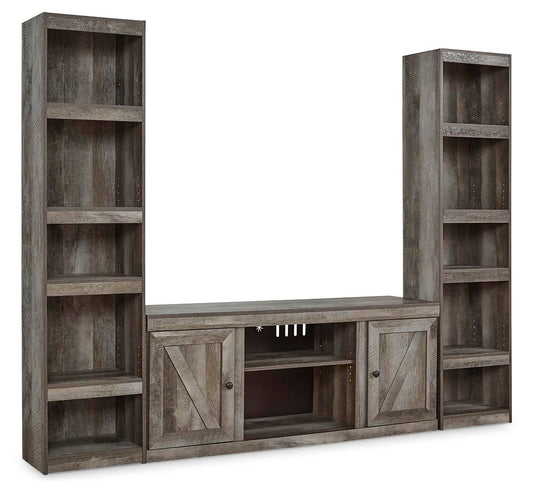
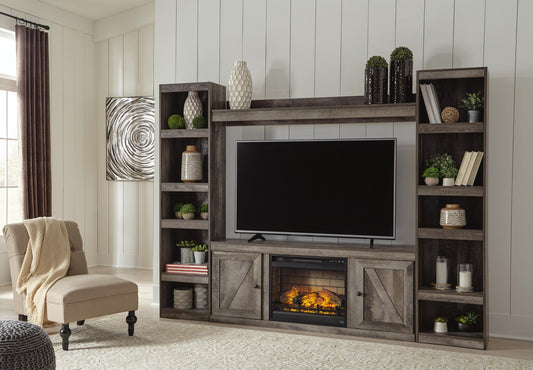
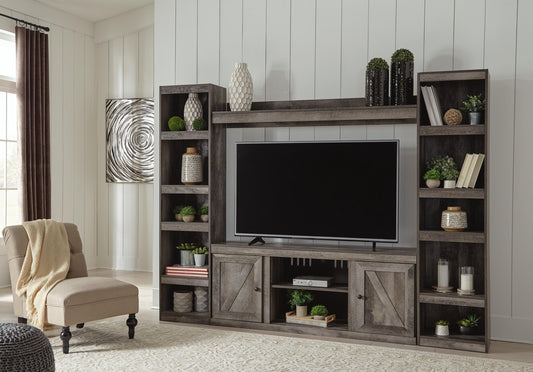
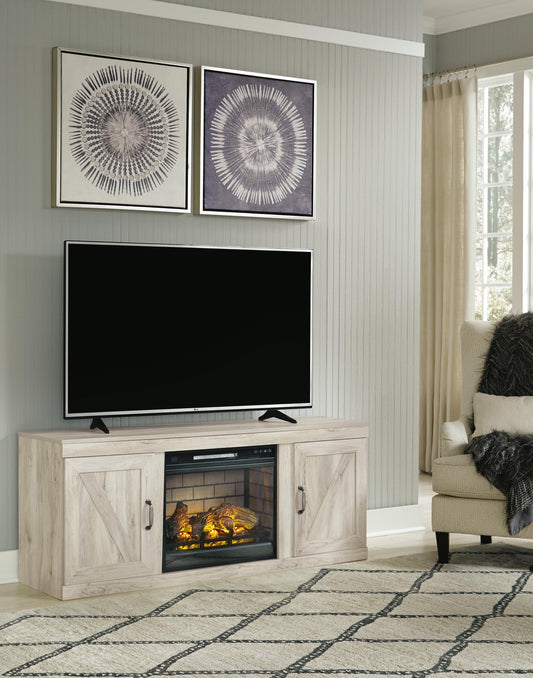
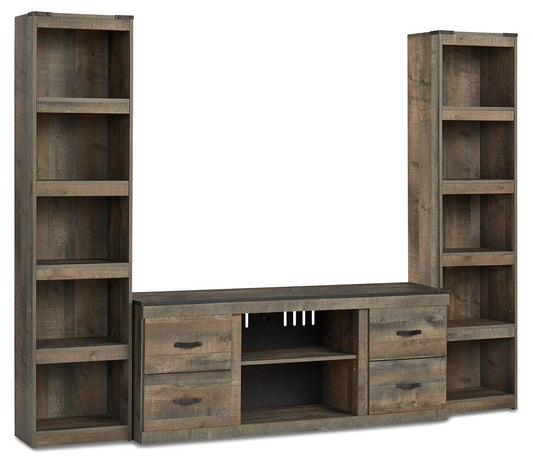
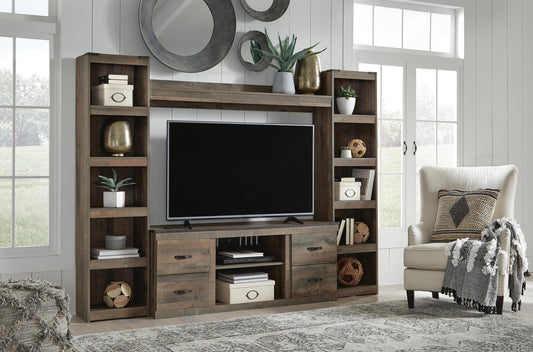
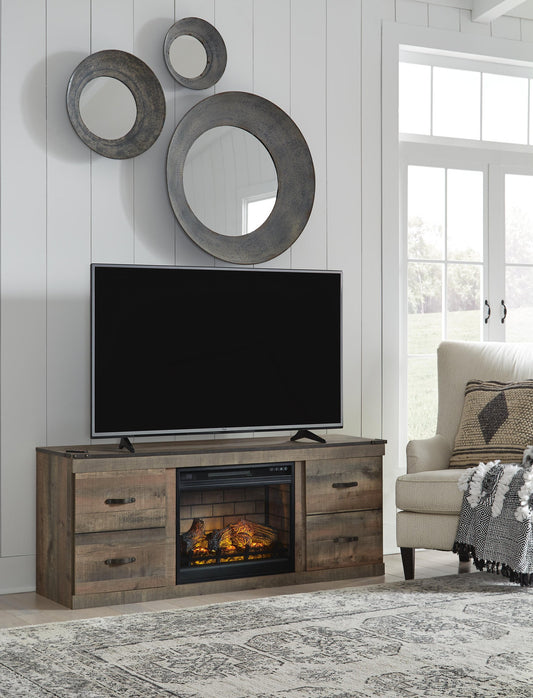
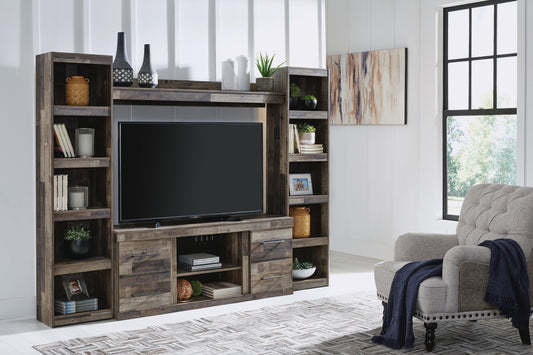
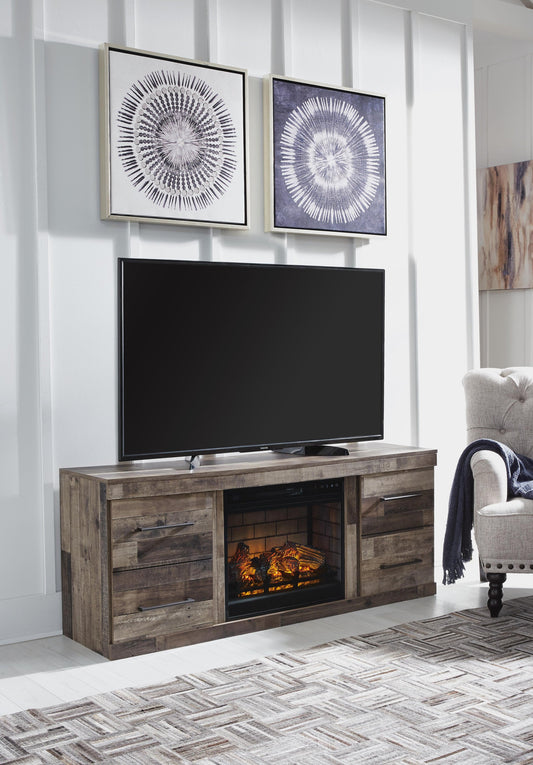
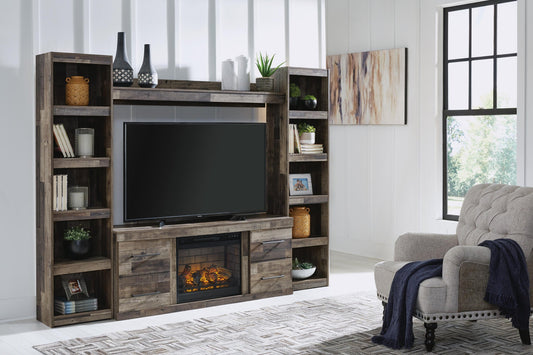
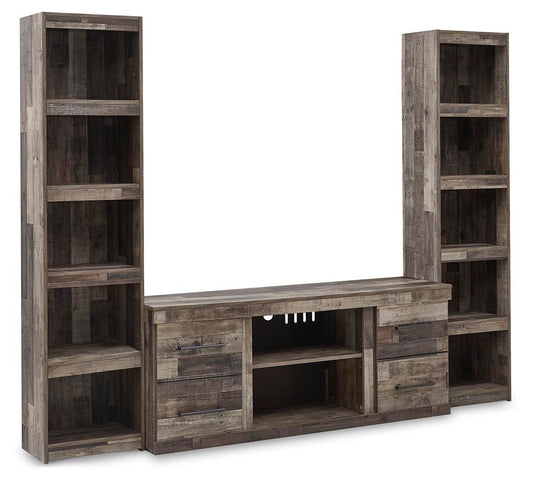
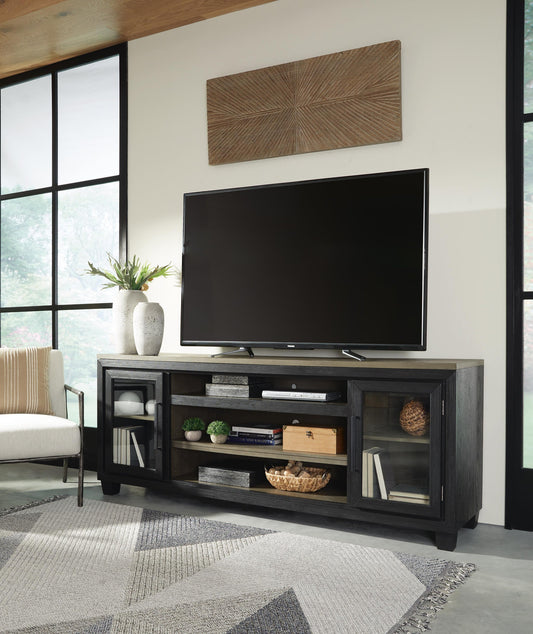
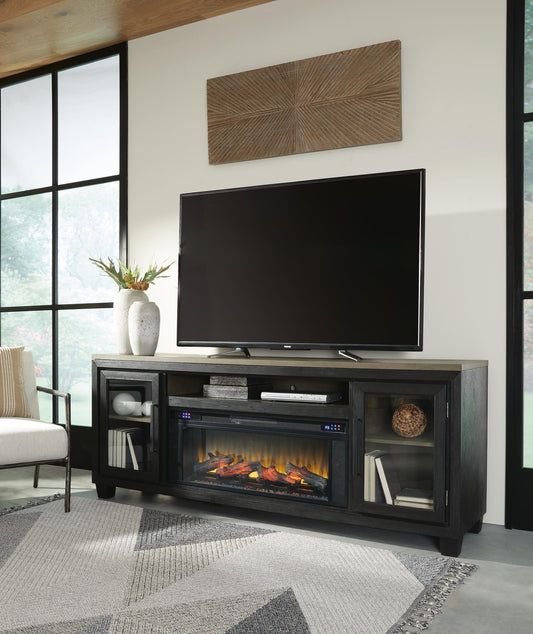
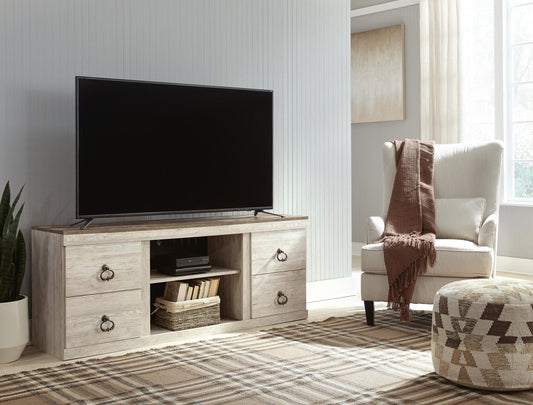
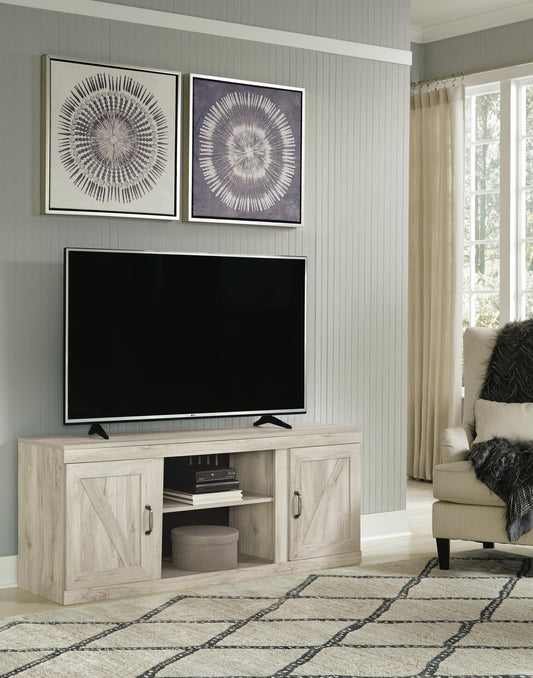
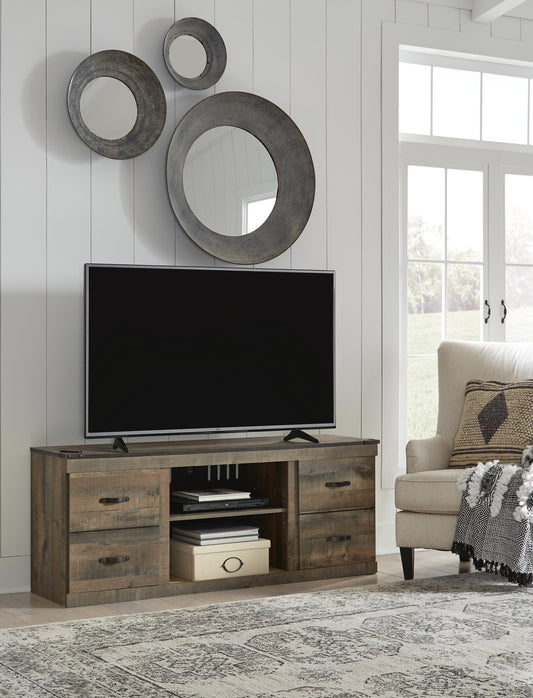
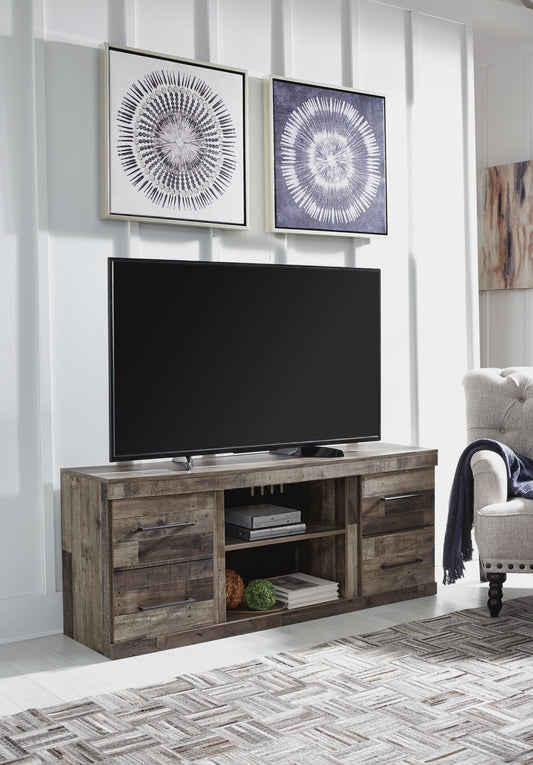
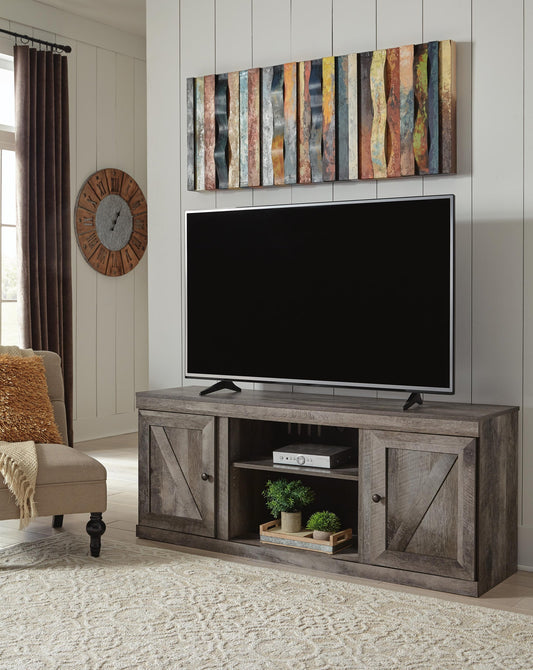
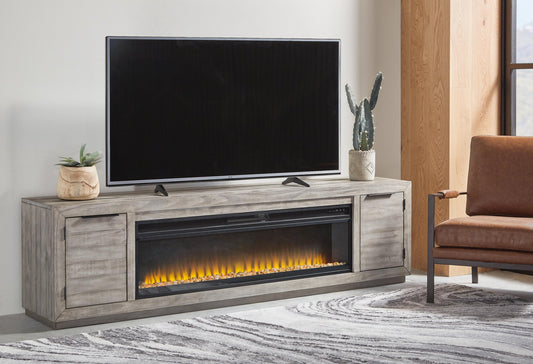
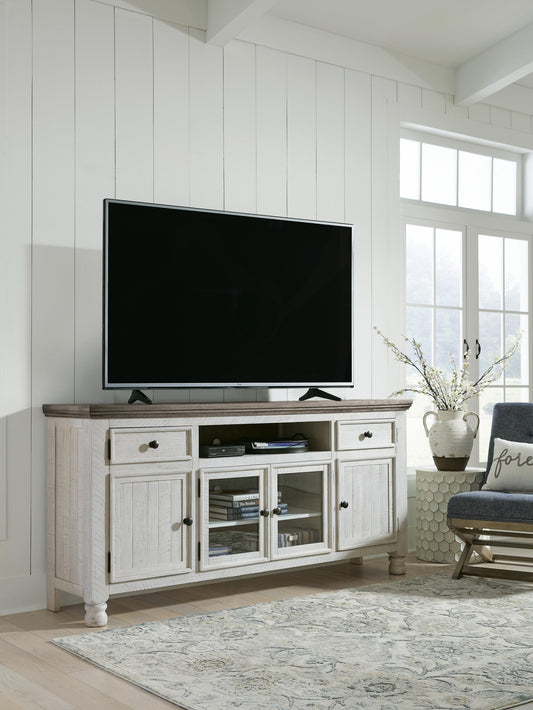
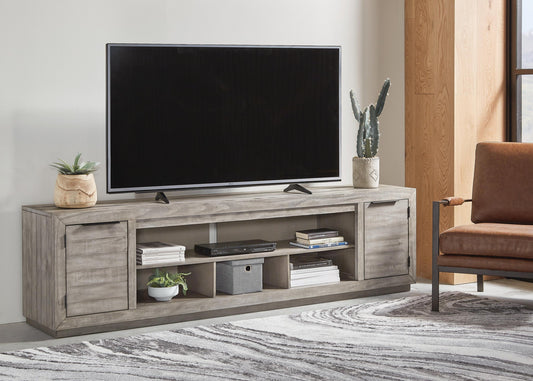
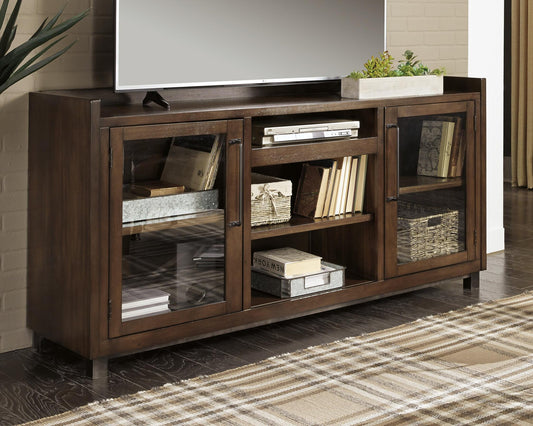
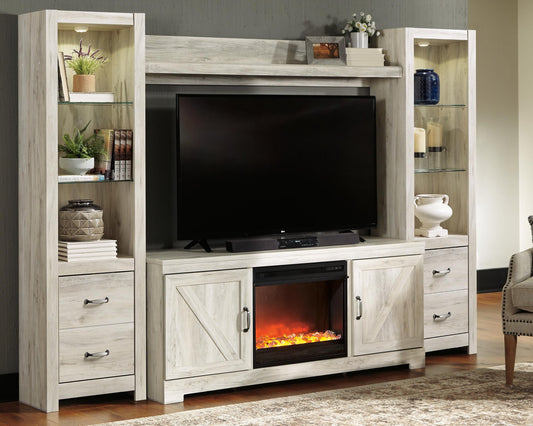
Picking a TV stand sounds simple until you're standing in the middle of a room holding a tape measure and second-guessing everything. The screen size, the height, the storage, the style. It adds up fast. Whether you're furnishing a new space or finally replacing that old unit that's been wobbling since forever, getting this decision right makes a bigger difference than most people expect. A good TV stand ties the whole entertainment area together. A bad one sticks out like a sore thumb, no matter how nice everything else looks, which is why choosing a high-quality TV stand in West Chester, OH, matters more than it seems at first.
This guide walks through what actually matters so you can shop with confidence instead of guessing.
Match the TV Stand to Your Screen Size
The most overlooked step is sizing. A stand that's too narrow looks wrong immediately, and one that's too wide tends to swallow the television entirely. A common approach many designers suggest is choosing a TV stand that sits at least a few inches wider than your screen on each side. So if you have a 65-inch TV, starting your search around the 70 to 80 inch range is a reasonable place to land, though the right size ultimately depends on your room layout and personal preference.
Grab a tape measure and check the width of your current or planned television before shopping. Also, measure the wall space you're working with, because a massive media console in a smaller room can throw off the whole layout before you even sit down.
TV Stand Height and Comfortable Viewing
Height is where people make quiet mistakes they live with for years. The goal is to position your TV so the center of the screen sits roughly at eye level when you're seated. The stand height that gets you there depends on your specific seating arrangement, how low or high your sofa sits, and the size of the television itself. For most standard setups, a TV stand somewhere in the 24 to 30 inch range tends to work, but it's worth measuring your own seating situation before committing to anything.
If the screen ends up too high, your neck pays for it after an hour. Too low and you end up slouching forward, which isn't great either. Think about where your eyes naturally land when you're relaxed on your sofa and work backwards from there. It sounds fussy, but once you notice it, you can't un-notice it.
Storage Space, Drawers, and Cable Management
Here's where the practical side comes in. A television doesn't exist alone. There are gaming consoles, remotes, streaming devices, routers, sound equipment, and a tangle of cables that somehow multiply every year. A TV stand with solid storage space keeps all of that from becoming visual chaos.
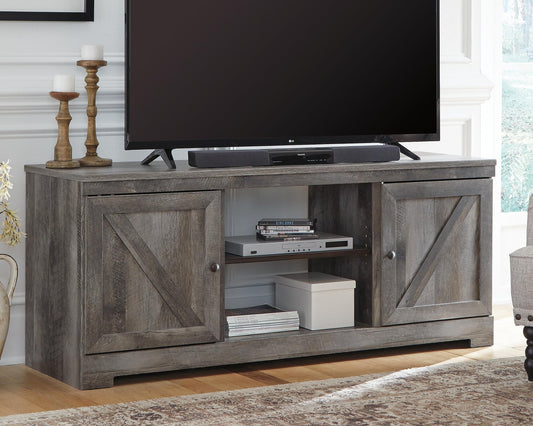
Cabinet doors are great for hiding things you don't need to access constantly. Drawers handle smaller items well. Adjustable shelves give you flexibility as your setup changes. Open shelves work if you actually like the way your equipment looks or if you need quick access to things you reach for often.
Cable management features are worth looking for specifically. Some stands come with built-in cutouts or channels that let you route cords cleanly through the back so the front of your entertainment area doesn't look like a tech disaster. It's one of those details that's easy to overlook until you've already bought something and realized it's missing.
When comparing options, here are the storage features worth paying attention to:
-
Adjustable shelves for equipment of different heights
-
Cabinet doors to hide cables, routers, or anything you want out of sight
-
Drawers for remotes and smaller accessories
-
Open shelving for gaming consoles or devices you use frequently
-
Built-in cable cutouts for routing cords cleanly
TV Stand Styles That Hold Up in Real Rooms
Style matters because a TV stand lives in the center of your living room. It's hard to ignore. Right now, a few looks are holding up well across different room layouts without feeling like a trend that'll age poorly in three years.
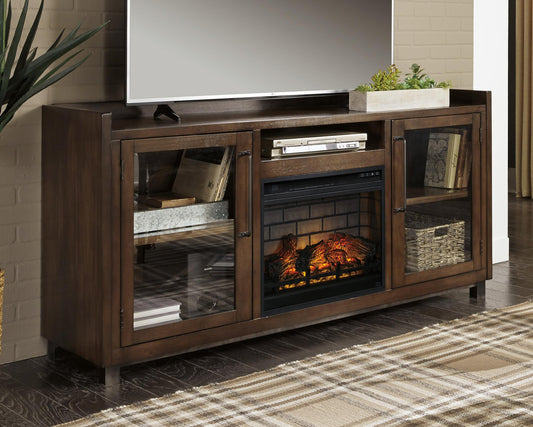
Mid-century modern design continues to earn its place. Clean lines, tapered legs, and warm wood tones work across a lot of spaces without trying too hard. Pieces built with engineered wood can carry that same visual warmth at a more accessible price point, though quality varies by manufacturer and product, so it's worth inspecting any piece in person before buying. Metal accents pair well with both modern and industrial room aesthetics. The key is matching the stand to the other furniture already in the room, so the whole space reads as intentional rather than assembled over time from random purchases.
Entertainment Centers vs. Media Consoles
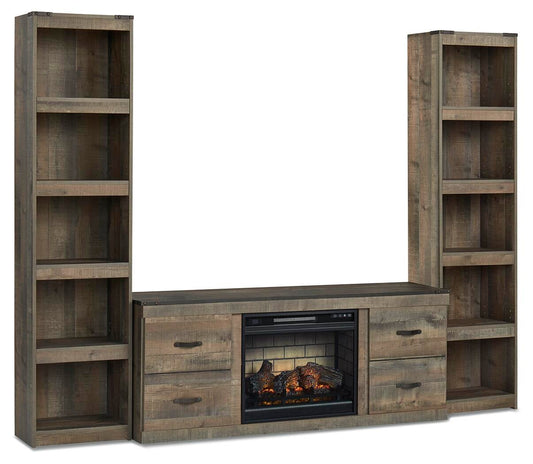
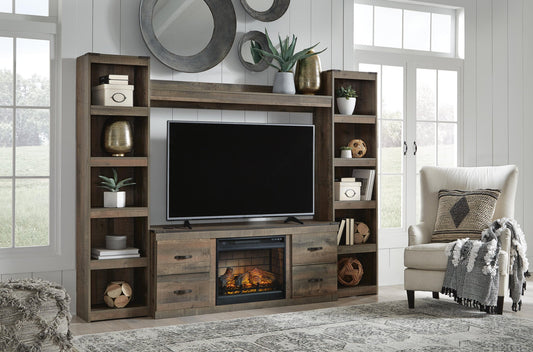
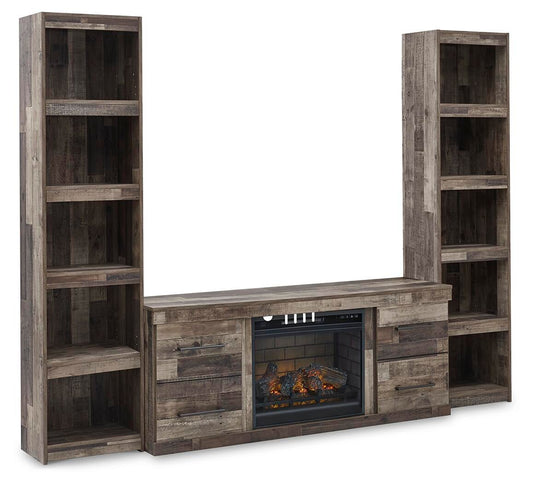
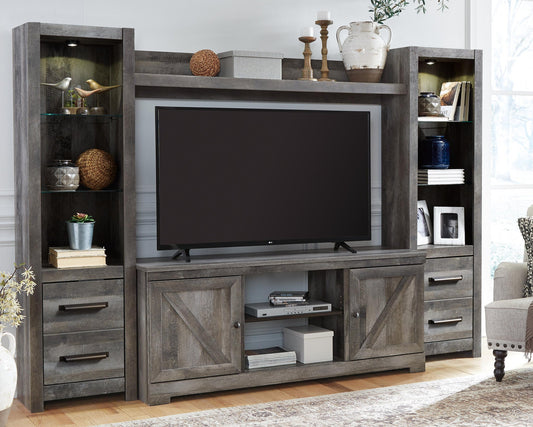
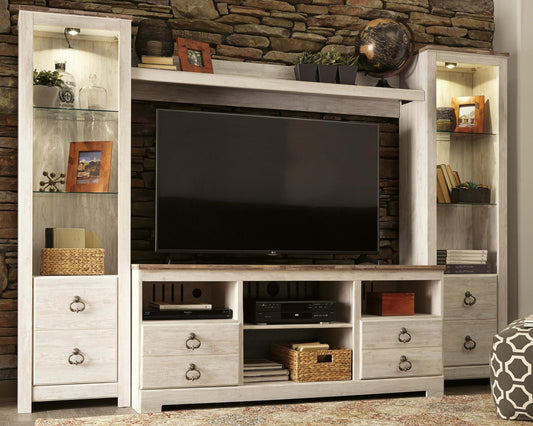
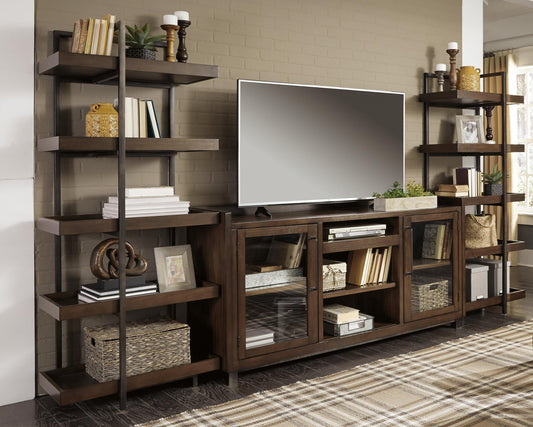
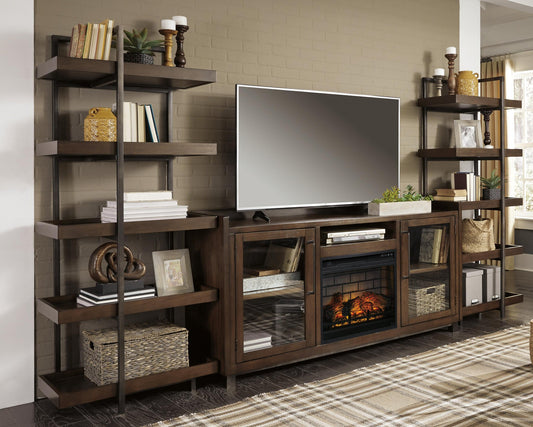
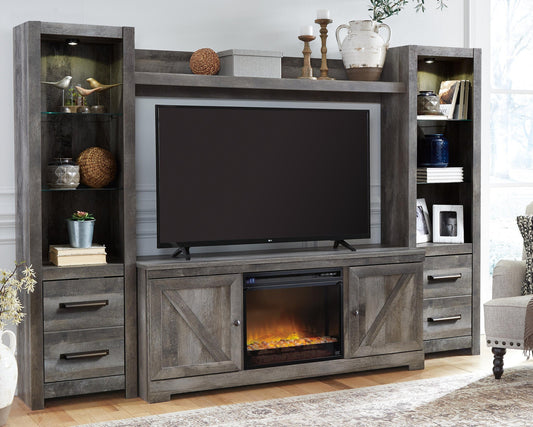
These two terms get used interchangeably, but they're not quite the same thing. An entertainment center typically refers to a larger, often wall-unit-style piece that frames the television and provides substantial storage on multiple levels. They tend to work well in bigger rooms where you want one anchoring piece to define the space.
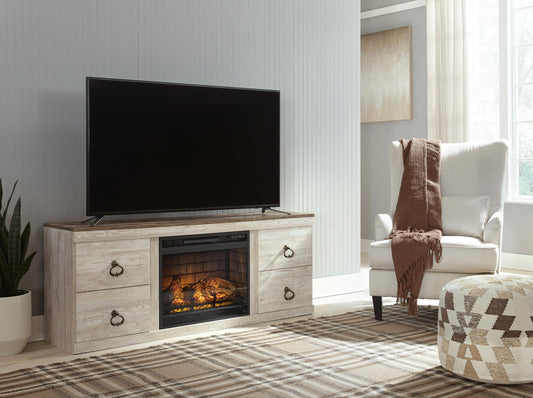
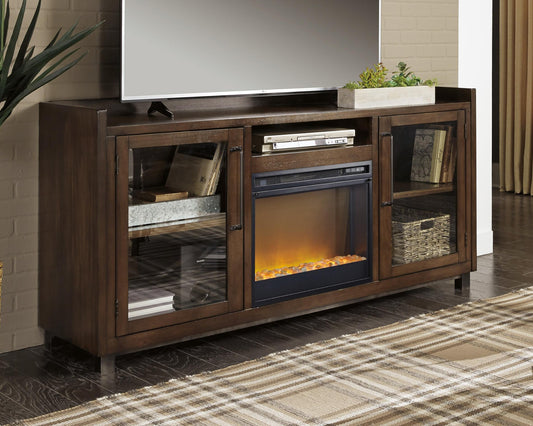
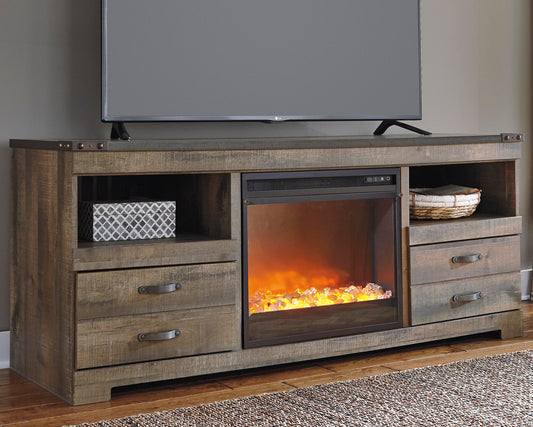
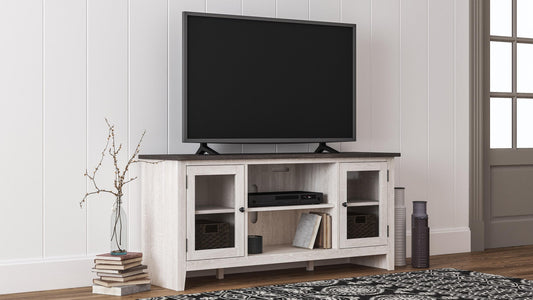
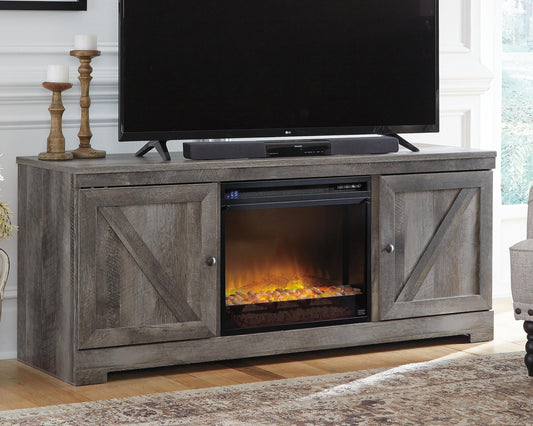
A media console is more streamlined. Lower profile, horizontal, and usually focused on the surface area below the screen rather than surrounding it entirely. It fits better in smaller spaces or rooms where you want the furniture to stay in the background.
If you're working with a tighter layout, a media console is usually the smarter call. If you have the square footage and want the entertainment area to feel like a real focal point, an entertainment center delivers that in a way a standalone stand simply can't.
How Room Layout Affects Your Final Decision
The stand itself is only part of the equation. How it fits into the broader room layout matters just as much. A piece that looks great in a showroom can feel completely off once it's surrounded by your actual sofa, rugs, and lighting.
Think about traffic flow first. There should be enough space to move around comfortably without the stand blocking natural pathways. Consider whether the television will face any windows directly, since glare can turn a perfectly sized screen into a frustrating viewing experience, regardless of how good the stand looks. And if you're placing the stand against a wall, check whether the wall can support the visual weight of the piece or whether a lighter, more open design would keep the room from feeling closed in.
Shop TV Stands at Furniture & Cabinet Outlet in West Chester, OH
Finding a TV stand that checks every box, the right size, the right height, enough storage, and a style that fits the room takes more thought than it seems at first. But once you know what to look for, the decision gets a lot easier.
Furniture & Cabinet Outlet carries a wide selection of TV stands, media consoles, and entertainment centers at the West Chester, OH, showroom located at 7716 Service Center Drive. Prices run 30 to 60 percent below retail with no membership required. Stop in and see what's currently in stock, or call (513) 720-5113 to ask about availability before making the trip.